
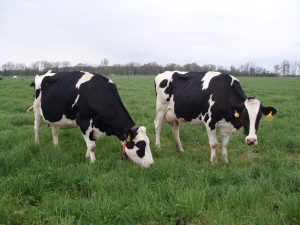
 The Kellogg Farm and Michigan Food and Farming Systems (MIFFS) are partnering to start a regional chapter of the Dairy Grazing Apprenticeship (DGA) program, servicing Michigan, northern Indiana and northwestern Ohio. A kick-off meeting was held at the MSU. W.K. Kellogg Biological Station (KBS) in Hickory Corners on February 26th to introduce the DGA program and provide information on how to become a Master Dairy Grazier and the benefits it could bring to dairy farms.
Dairy Grazing Apprenticeship (DGA) is a non-profit organization that was started in Wisconsin, but is currently present in 11 states. Over 150 Master Graziers are currently approved across these 11 states, resulting in a large, and growing network of experts that are available to train apprentices. The DGA is an Accredited Apprenticeship program registered with the United States Department of Labor. DGA pairs experienced grazing dairy farmers (Master Dairy Graziers) with an apprentice with little to no experience but with interest in dairy (Dairy Grazing Apprentice). The apprentices get paid while learning from their mentors, gain hands-on experience, and have other training opportunities.
Apprentices that sign up for the DGA program will be mentored by an approved Master Dairy Grazier over a two year period, often times with the opportunity for advancement after the completion of the apprenticeship. The training program lays out a series of competencies that are required to successfully own and operate a grazing dairy, including:
- Measure and manage pastures for optimal quality and quantity
- Manage cattle appropriately-heifers/dry cows, calves, milking cows
- Manage milking operations
- Assess dairy nutritional needs
- Evaluate grazing and dairy farm information for effective decision making
- Manage soil and water resources for productivity and health
- Manage farm business operations profitably
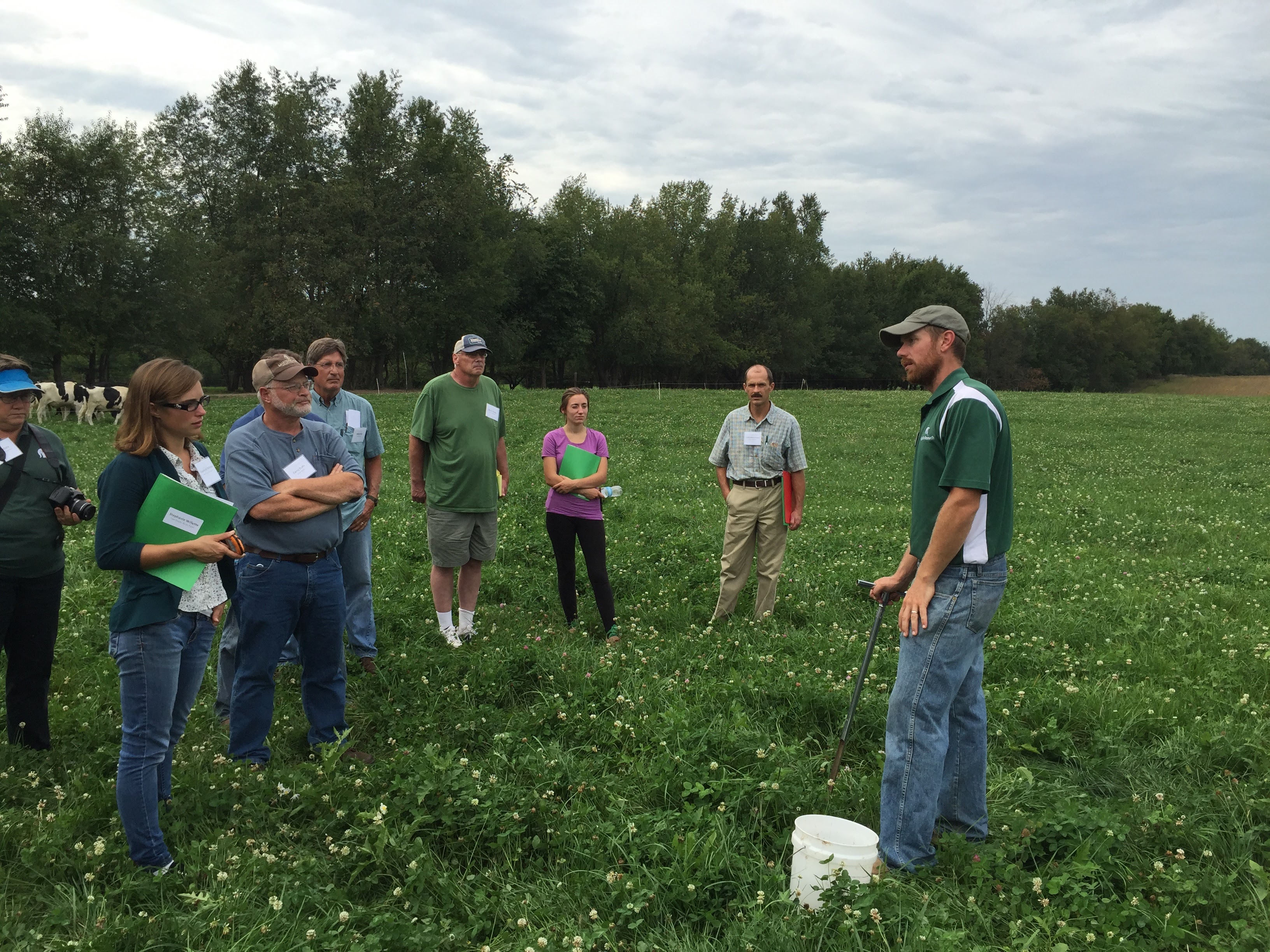
In addition to these core management skills apprentices will complete online courses and also be a part of peer discussion groups, pasture walks, farming conferences and networking opportunities.
Dairy farms have been an important part of rural communities and economies for a long time, but recent economic challenges and lack of new farmers has resulted in a loss of 5-10% of dairy farms per year across the U.S. (higher in recent years). Now more than ever, managed grazing is a lucrative method to feed dairy cattle due to the lower feed and infrastructure costs, and ability to tap into value added markets. DGA provides a pathway for new farmers to learn the skills needed to sustain small and medium size dairy farms on the landscape.
Misty Klotz, outreach coordinator for the MSU Kellogg Farm, will be serving as the regional coordinator for DGA, and working closely with Brook Wilke (KBS Farm Manager), Howard Straub (KBS Dairy Manager), Jen Silveri (MIFFS Director) and Paola Bacigalupo Sanguesa (MSU Extension Dairy Educator) to initiate DGA in our region. Klotz will be matching up Master Graziers with Apprentices, and assisting the partners with completion of the key aspects of the apprenticeship program.
For more information about DGA, visit the website at www.dga-national.org. Interested dairy graziers or apprentices in S.W. Michigan, N. Indiana, or N.W. Ohio are encouraged to reach out to Misty Klotz or Brook Wilke (269-671-2402 or dga@kbs.msu.edu) for more information about how to get involved.
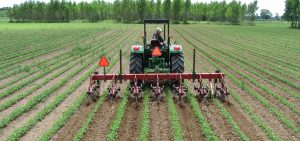
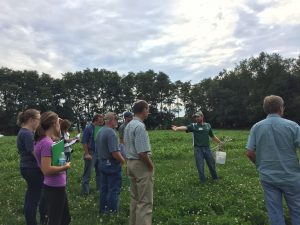 Farmers are planners. They are always thinking about the future. Even though many farmers may not love to use this word, sustainability is a huge part of how they operate and run their agriculture system. By rotating crops like corn and soybeans, they can help restore the nutrients that may have been lost within the soil and rebuild the soil health. Farmers want to be able to maximize the land they are using in an efficient way so they can count on long-term use of the land and work to create higher yields. They are also thinking about what has to be done next on the farm to make sure all the operations are running efficiently and not wasting time or money.
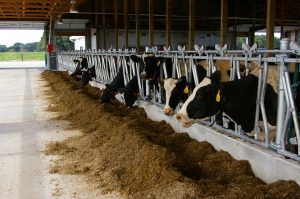 have a hard or rough exterior, but they really care about the animals and crops they are raising. Farmers put a lot of their time and energy into making sure animals are properly cared for and that crops are growing well with the resources they have. The last thing they want people to think is that they are destroying the environment or treating animals unfairly.
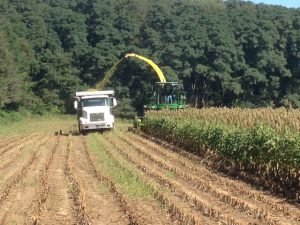 Lastly, another characteristic I’ve discovered is that farmers are wise. Even 30-year veteran farmers know how to apply their knowledge to the ever-changing world around them. This information can include anything from crops, soil, the equipment, and they gladly share this knowledge with others. No matter what their age, they will teach you a lot about working on a farm. I had very little clue about how to drive a tractor before this summer and now I’m able to help rake and clip pastures because they were willing to teach me and pass on some of their knowledge to me! If you’re curious about something within the field of agriculture, ask a farmer! Most of the time, they’re more than happy to talk to you about your curiosity and will probably even invite you out to their farm for you to see firsthand.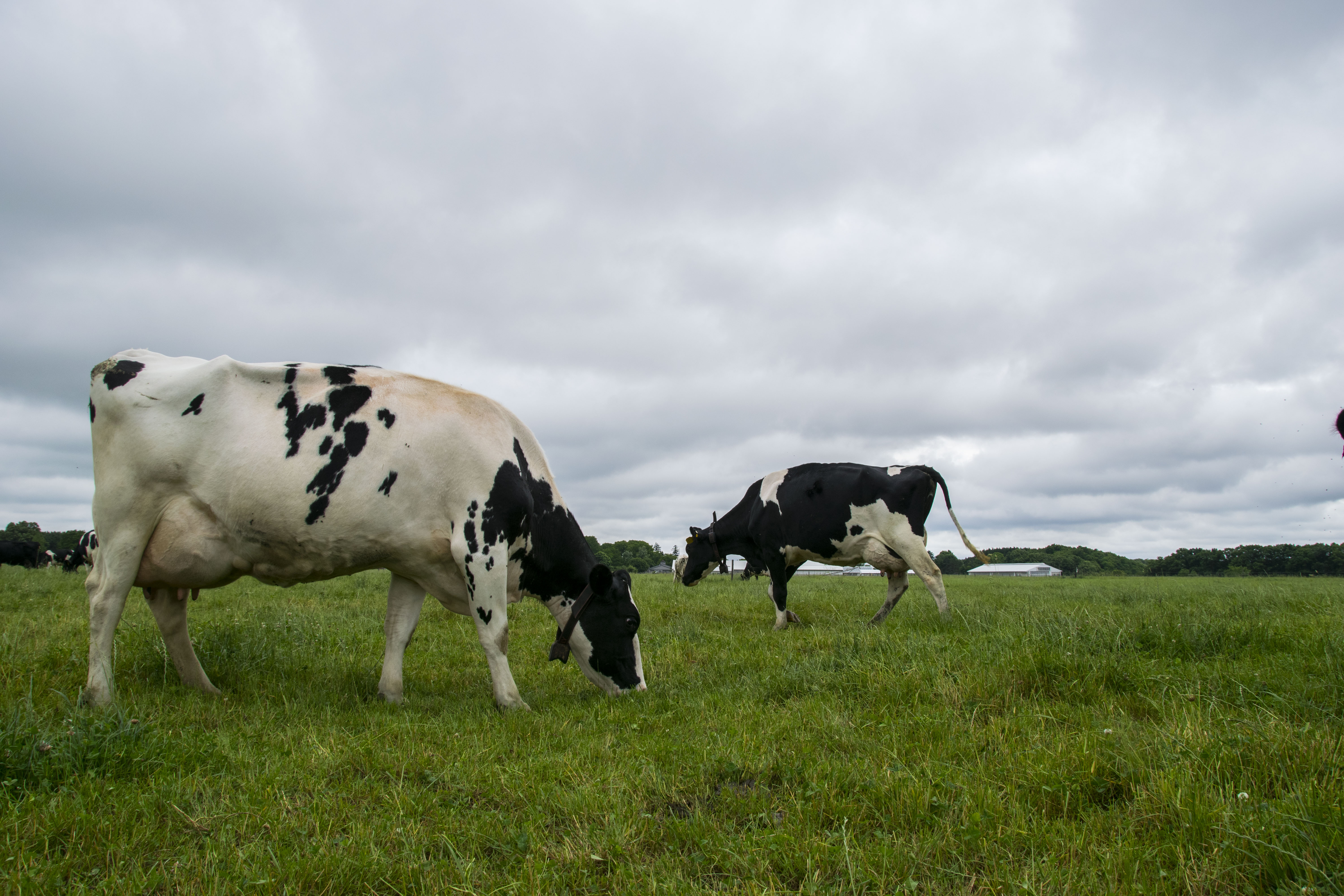
10461 N. 40th St.
Hickory Corners, MI 49060
(269) 671-2402
kelloggfarm@kbs.msu.edu